Microsuction vs Ear Syringing – What's the Difference?
If you're experiencing blocked ears, you may be wondering about microsuction vs syringing and which method is best for removing earwax.
Both methods are used to remove excess earwax, but they work differently. Microsuction uses gentle suction, while modern ear irrigation uses a controlled flow of warm water to wash wax from the ear canal.
At Churchgate Ear Clinic in Ardleigh, near Colchester, I use microsuction as my primary method, alongside modern irrigation and manual techniques where appropriate. The best approach depends on your ears, the condition of the wax and your medical history.
What Is the Difference Between Microsuction & Irrigation?
The main difference between microsuction and irrigation is how the earwax is removed.
Microsuction uses a small suction device to carefully remove wax while the ear canal is viewed under magnification. It is a dry procedure, meaning no water enters the ear.
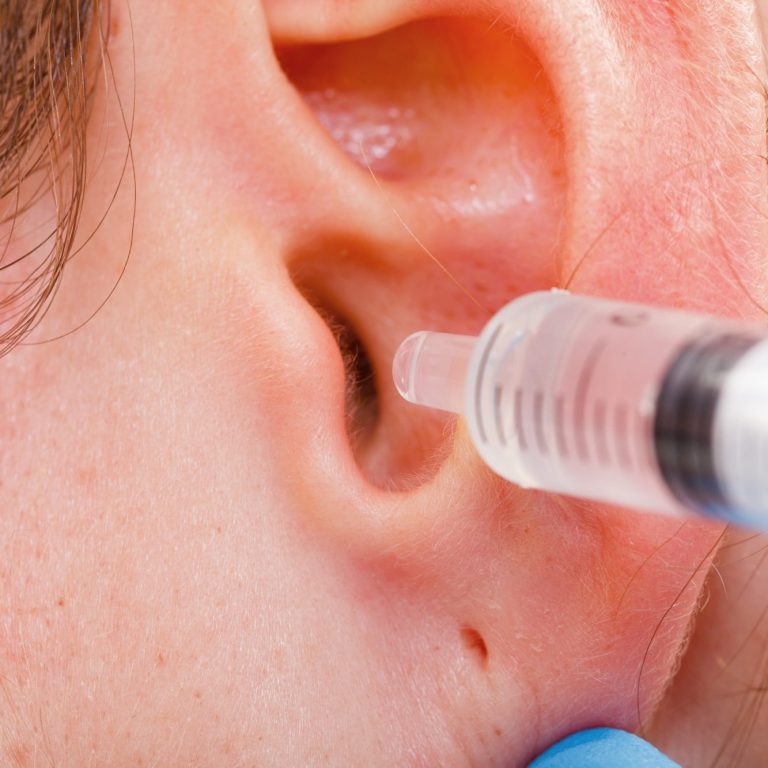
Ear irrigation uses a controlled flow of warm water to loosen and flush softened wax from the ear canal.
Both methods can be effective when carried out by a suitably trained practitioner, but neither is suitable for everyone.
Is Ear Irrigation the Same as Traditional Ear Syringing?
Many people still refer to water-based earwax removal as ear syringing, although modern irrigation uses different equipment.
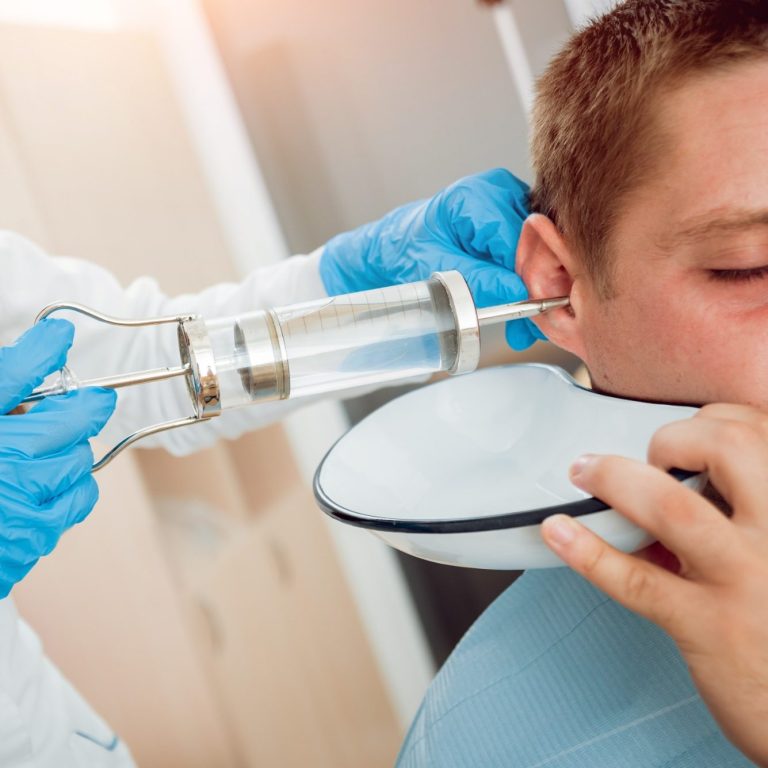
Traditional ear syringing involved manually directing water into the ear using a syringe, making the pressure more difficult to control.
Modern electronic irrigation equipment delivers water at a regulated pressure, allowing a more controlled procedure.
Traditional manual ear syringing is no longer recommended under current NICE guidance, but modern electronic irrigation remains an accepted option for suitable patients.
You can learn more about ear irrigation and ear syringing at Churchgate Ear Clinic.
Which Is Better, Microsuction or Ear Syringing?
There is no single best earwax removal method for everyone. The most appropriate choice depends on several factors.
When Microsuction May Be Suitable
Microsuction is often a useful option because it allows wax to be removed under direct vision without introducing water.
It may be considered in some circumstances where irrigation is unsuitable, although previous ear surgery or eardrum problems can also affect whether microsuction is appropriate.
Some patients find the suction noise unusual, and temporary discomfort or dizziness can occur.
Modern irrigation may be helpful when earwax has been softened and can be safely removed using warm water.
However, irrigation is generally unsuitable for people with certain ear conditions, including a perforated eardrum, active infection or particular types of previous ear surgery.
An examination and discussion of your medical history are therefore essential before deciding which method to use.
When Ear Irrigation May Be Suitable
Can Microsuction & Irrigation Be Used Together?
Yes. Sometimes a combination of methods is the most appropriate way to remove stubborn earwax.
Some wax is particularly dry, compacted or difficult to access. In these circumstances, I may use microsuction alongside gentle irrigation or manual instruments, provided each method is suitable for your ears.
Having different techniques available means I can adapt the procedure rather than relying on one approach for every patient.
"Microsuction is my preferred method of earwax removal, but every ear is different. Sometimes, using gentle water irrigation alongside microsuction can help me remove stubborn earwax more effectively."
Do You Need to Soften Earwax Before Removal?
Softening earwax beforehand can help make removal easier, particularly if the wax is dry or compacted.
I usually recommend olive oil spray or drops such as Earol, twice daily for three to five days before an appointment, where suitable.
Preparation is particularly important for irrigation, although microsuction may also benefit from softened wax.
If you have ear pain, discharge, a suspected perforated eardrum or previous ear surgery, seek professional advice before using anything in your ears.
For further guidance, see my earwax removal preparation advice.
How I Choose the Right Earwax Removal Method
Every appointment at Churchgate Ear Clinic begins with an examination using modern high-definition otoscopy equipment.
I consider:
- The amount, consistency and position of the earwax
- The shape and condition of your ear canal
- Previous ear problems or surgery
- Any discomfort or symptoms you're experiencing
- Whether microsuction, irrigation or manual removal would be appropriate
I can show you high-definition images or video of your ears before and after removal, explaining what I can see throughout.
Appointments are scheduled to allow enough time, so there is no need to rush if the wax is particularly stubborn.
Occasionally, further softening or a follow-up appointment may be necessary rather than attempting to remove difficult wax immediately.
Frequently Asked Questions
Is Microsuction Safer Than Ear Irrigation?
Both methods have potential risks and suitability restrictions. Microsuction avoids introducing water, while irrigation uses controlled warm water. The safest appropriate option depends on your ear health, medical history and examination findings.
Does Microsuction or Irrigation Hurt?
Most people tolerate both procedures well, although sensations vary. Microsuction can sound loud, while irrigation may produce a feeling of water movement or pressure. If you experience pain or significant discomfort, the procedure should be stopped and reassessed.
Can I Choose My Preferred Removal Method?
You are welcome to discuss your preferences and previous experiences. However, I will always recommend a method based on what is appropriate for your ears rather than personal preference alone.
Need Advice About Earwax Removal?
If you're unsure whether ear syringing or microsuction is right for you, you don't need to decide before booking.
At Churchgate Ear Clinic, I take time to examine your ears, explain what I find and recommend a suitable approach.
The clinic is conveniently located in Ardleigh, a few minutes' walk from Ardleigh Surgery, with nearby parking.
You can contact me if you have any questions, or arrange your appointment online if you're ready to book.