What If Your Blocked Ear Isn't Earwax?
Many people book an appointment believing earwax is causing their symptoms. While earwax can certainly lead to blocked hearing, discomfort and irritation, it is not always the underlying cause.
At Churchgate Ear Clinic, every appointment begins with a careful examination of your ears using modern otoscopy equipment. Sometimes I find excess earwax that can be removed safely and comfortably. Other times, I discover that something completely different is responsible for the symptoms.
Understanding what is actually causing a blocked ear that's not caused by earwax is the first step towards getting the right advice and avoiding unnecessary treatment.
A Quick Answer If You're Wondering Whether It Could Be Something Else
A blocked ear is not always caused by earwax.
Several conditions can cause similar symptoms, including congestion, ear infections, allergies, hearing loss and even small foreign bodies inside the ear canal. Because these problems often feel very similar, it is impossible to know the exact cause from symptoms alone.
A professional assessment combines otoscopic examination of the ear canal and eardrum with your symptoms, medical history and how the problem has developed. Looking at all of these together helps me understand what may be causing your symptoms and advise you on the most appropriate next step.
Why Do So Many Ear Problems Feel The Same?
One thing I often explain during appointments is that symptoms alone don't tell us what's causing the problem. Several different conditions can make your ear feel blocked or affect your hearing, which is why I assess your symptoms alongside an otoscopic examination of the ear canal and eardrum before recommending any treatment.
Whether the problem is earwax, congestion or an infection, you may notice:
- A feeling of fullness
- A feeling of being underwater
- Mild discomfort
- Intense pain
- Itching
- Tinnitus
- Feeling as though something is inside your ear
- A red ear
- A swollen ear canal
- Discharge
It’s also worth remembering that tinnitus isn’t necessarily a ringing sound. It can be any sound that nobody else can hear, including high-pitched sounds.
That's why I always consider what you're experiencing alongside what I can see during the otoscopic examination before advising you on the most appropriate next step.
Earwax Is Common, But It Isn't Always The Answer
Earwax has an important job.
It traps dust, debris and bacteria before they reach the delicate structures deeper inside the ear. Most of the time, earwax naturally works its way out without any help.
Problems only occur when wax becomes impacted or builds up enough to affect hearing or cause discomfort.
However, I regularly see patients whose ears contain very little wax at all, despite feeling convinced that earwax is causing their symptoms.
This is why a proper examination is so important before attempting treatment.
Ear Infections Can Feel Very Similar To Earwax
One of the most common alternatives to earwax is an ear infection.
Conditions such as Otitis Externa can cause:
- Ear pain
- Itching
- Swelling
- Reduced hearing
- A blocked sensation
- Tenderness around the ear
Similarly, fungal infections such as Otomycosis can leave debris inside the ear canal that many people mistake for wax.
One thing I've learnt over the years is that symptoms don't always tell the full story. Before I even think about removing earwax, I like to understand what's been happening. I'll ask when the problem started, whether it's affecting one ear or both, if you've recently had a cold, and whether the symptoms have changed over time. I consider this information alongside my otoscopic examination of the ear canal and eardrum to help understand what may be causing the problem.
If I see signs that suggest an ear infection, I'll explain exactly what I'm seeing and advise you on the most appropriate next step. I often provide photographs of the ear for patients to show their GP or pharmacist, and I always appreciate hearing how they get on. Once treatment has finished, I always encourage a follow-up appointment to check the infection has completely settled and the ear canal looks healthy again.
Congestion Can Leave Your Ears Feeling Blocked
Sometimes the ear canal is completely clear, yet the ear still feels blocked.
This often happens after:
- A cold
- Flu
- Sinus problems
- Allergies
When this happens, swelling around the Eustachian tube can affect the pressure inside your ear, creating the sensation that something is blocking your hearing, even though there is very little or no earwax present.
It's a common reason people wonder why their ear feels blocked but there's no wax.
In many cases, the feeling improves as the congestion settles, although an examination can help confirm whether earwax is contributing to the problem.
Sometimes A Hearing Change Is Mistaken For Earwax
Quite often, someone comes to see me convinced they need earwax removed, only for me to find that their ears are actually quite clear.
One of the comments I hear most often is, "Everyone keeps telling me my television is too loud." Sometimes it's a husband, wife or another family member who's encouraged them to book an appointment because they've noticed changes in their hearing.
In these situations, a complimentary hearing check can be incredibly helpful. The assessment is quick, the results are explained straight away and, because I have no affiliation with hearing aid providers, the hearing check is simply there to help you understand your hearing health.
If a hearing change is identified, I'll explain the results and discuss the most appropriate next steps.
Avoid Guessing Or Treating The Wrong Problem
If your ears feel blocked, it is understandable to want quick relief.
However, treating the wrong condition can sometimes delay appropriate care.
For example:
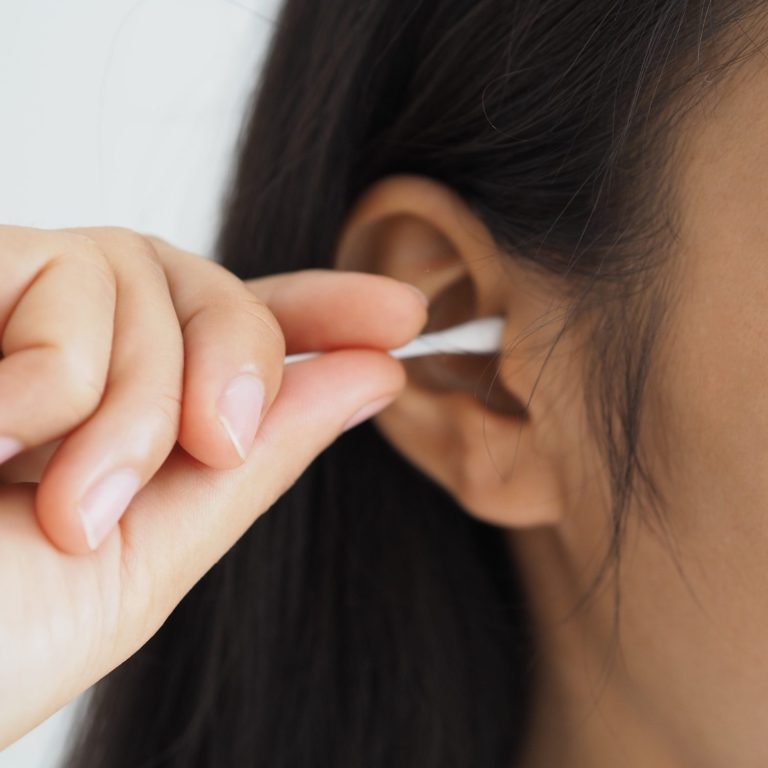
- Cotton buds often push wax deeper into the ear
- Home ear cleaning devices can irritate the ear canal
- Olive oil spray or drops such as Earol can be useful when earwax is present but may not help if congestion or infection is causing the symptoms
If you have pain, discharge, a suspected perforated eardrum, recent ear surgery or signs of infection, it is always best to seek professional advice before putting anything into your ear.
Occasionally, It Really Is Something Unexpected
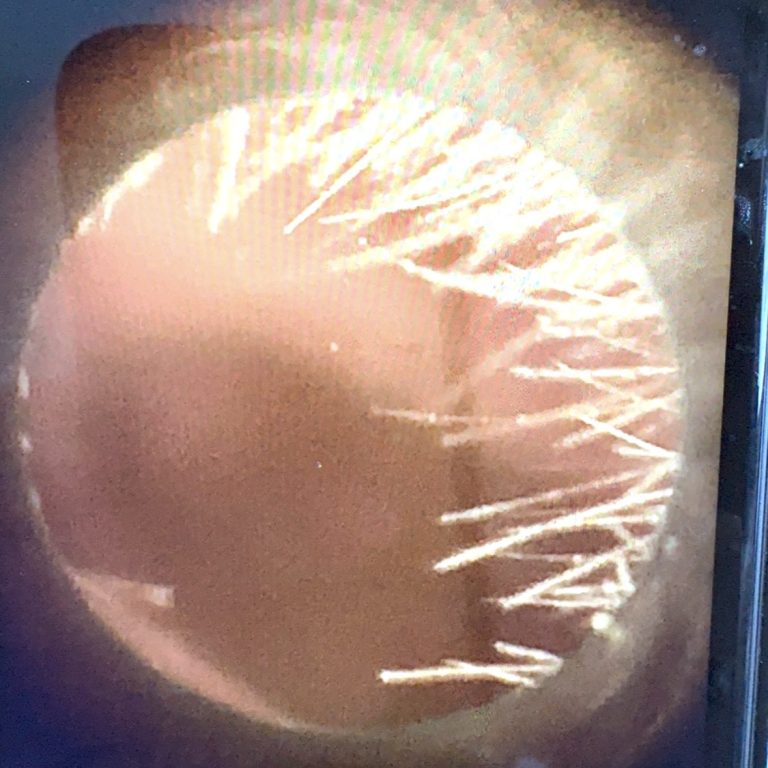
Every now and then, I find something completely unexpected inside the ear canal.
Over the years I've removed things including:
- A detached cotton bud tip
- A cat hair that a patient thought was a spider
- A beard hair that had been missed elsewhere
Although these situations are unusual, they highlight why it's always worth having your ears examined properly rather than trying to diagnose yourself.
Some of the strangest things I've found deserve a story of their own. Read more in my blog, "The Strangest Things I've Found in Patients' Ears".
When Should You Arrange An Ear Examination?
It is sensible to have your ears checked if you experience:
- Persistent blocked ears
- Muffled hearing
- Ear discomfort
- Itching
- Ringing in the ears
- A feeling that something is inside the ear
- Recurrent earwax problems
- Hearing changes that do not improve
The earlier the cause is identified, the sooner you can receive the right advice.
Frequently Asked Questions
Why Does My Ear Feel Blocked But There Is No Wax?
Congestion, allergies, ear infections, hearing loss and pressure changes can all cause blocked ears without excess earwax being present.
Can An Ear Infection Feel Like Earwax?
Yes. Ear infections often cause a blocked sensation, discomfort and reduced hearing that many people mistake for impacted earwax.
Can Congestion Cause A Blocked Ear?
Yes. Swelling around the Eustachian tube following a cold, sinus infection or allergies can make the ear feel blocked even when the ear canal is clear.
Can Hearing Loss Feel Like Blocked Ears?
It can. Gradual hearing loss is sometimes mistaken for earwax because sounds become muffled or less clear.
How Do I Know Whether I Need Earwax Removal?
The only reliable way is to have your ears examined. Symptoms alone cannot always distinguish earwax from other ear conditions.
Don't Assume It's Earwax
Although earwax is a common cause of blocked ears, it is certainly not the only one. Congestion, infection, hearing changes and other conditions can produce very similar symptoms.
One of the things I enjoy most about my work is helping people understand what's actually happening inside their ears.
Sometimes it's earwax, sometimes it isn't, but either way I believe you should leave your appointment knowing exactly what I've found, why it's causing your symptoms, and what the next step should be. That's why I schedule enough time for every appointment and explain everything as we go.
Telephone: +44 01206 978783 | +44 787 9696981
E-mail: churchgateearclinic@gmail.com